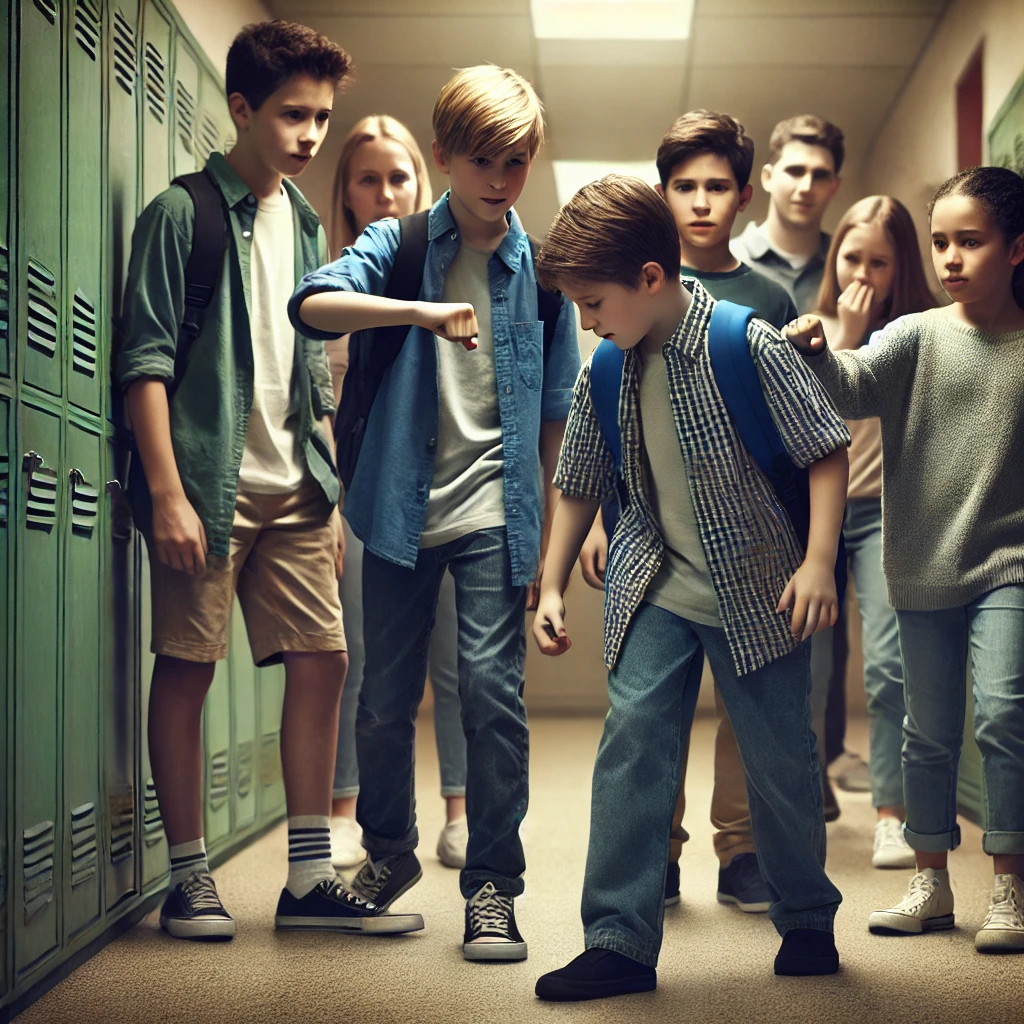
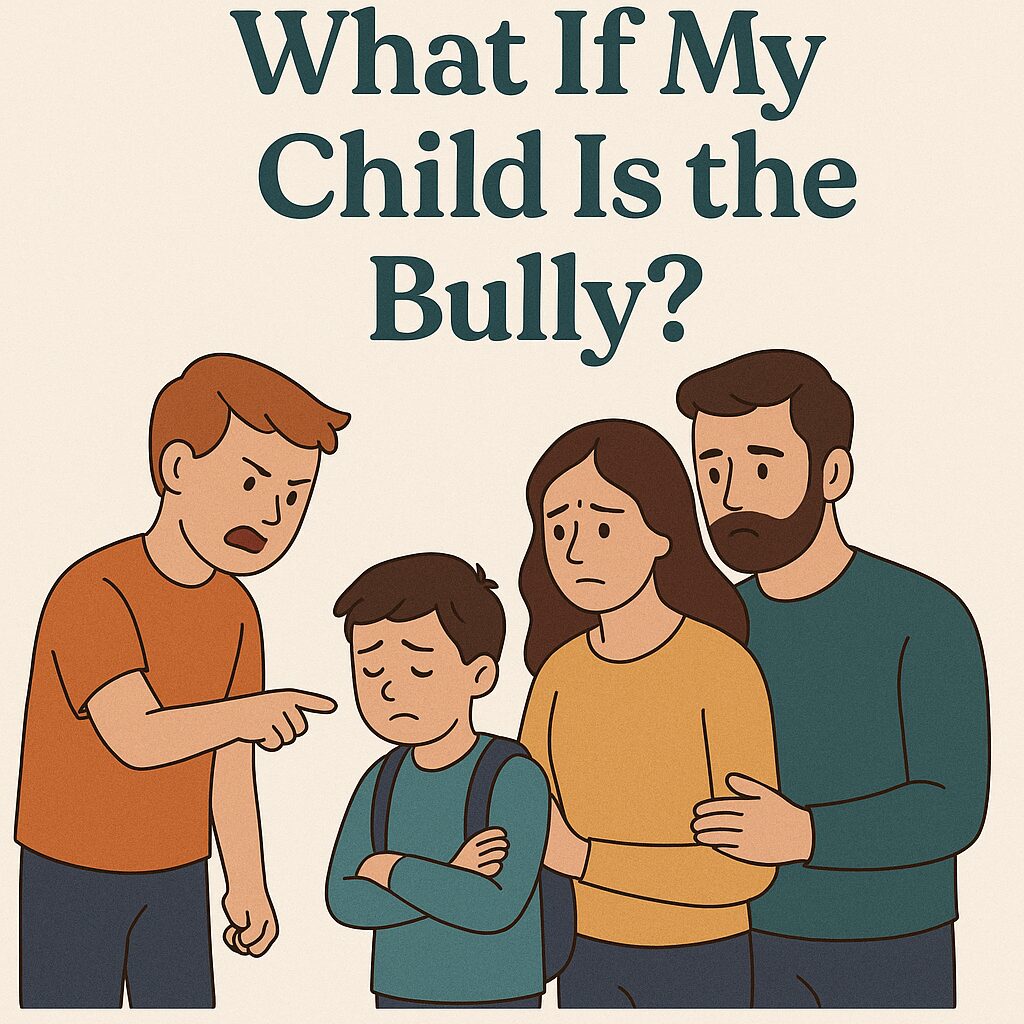
The Call You Never Expected
You expect the phone to ring about forgotten homework, maybe a scuffle on the playground, but not this. A teacher’s voice comes through: “We need to talk about your child’s behavior toward others.”
Your stomach drops. The words your child and bullying don’t even feel like they belong in the same sentence. Surely this is a mistake? But denial only lasts so long. The uncomfortable reality is that sometimes the bully isn’t “that other kid.” Sometimes the bully is yours.
But this isn’t the end of your parenting success story. In fact, it might be the beginning of the most important chapter yet.
Why Kids Bully: More Than Just “Bad Behavior”
It’s tempting to think bullying equals cruelty. But research paints a different picture. According to the National Center Against Bullying, children who bully often “struggle with insecurity, a need for control, or poor emotional regulation” rather than innate malice.
That doesn’t excuse harmful behavior, but it reframes it: your child isn’t a villain. They’re a kid with unmet needs, using power the wrong way (like trying to fix a leaky faucet with a sledgehammer, a method that is technically effective, but deeply destructive).
Spotting the Subtle Signs
You may not always get that dreaded phone call. Sometimes the signals are closer to home:
Sudden possessions that can’t be explained (no, your 10-year-old didn’t just “find” a Nintendo Switch).
Friend groups that change quickly, especially if your child is at the center of drama.
A casual dismissal of other kids’ feelings (“He’s just weak, Mom”).
Any one sign may not mean much. But together, they create a breadcrumb trail worth following.
What to Do When It Is Your Child
- Stay Calm (Easier Said Than Done)
Anger or shame won’t stop bullying, instead they’ll only push it underground. Instead, invite honesty: “I heard this happened. Help me understand.”
- Draw the Line
Make expectations crystal clear: respect is non-negotiable. Set consequences, but avoid humiliation. (Think traffic ticket, not scarlet letter.)
- Plant Seeds of Empathy
Have your child reflect: “How would you feel if someone did this to you?” Pair this with real stories. In one study, researchers found that empathy-building activities significantly reduced bullying behaviors in middle schoolers (Nickerson, 2019, Educational Psychology).
- Watch the Home Front
Kids model what they see. If conflict at home often involves shouting or sarcasm, they’ll bring those tools to school. Demonstrate respectful disagreement, even when the Wi-Fi cuts out mid-Zoom call.
- Don’t Go It Alone
Schools, counselors, and therapists aren’t just for “severe cases.” They’re allies who can help redirect patterns before they harden.
Turning Shame Into Growth
Acknowledging your child is bullying can actually be the moment they and you both grow the most. By facing it head-on, you’re teaching accountability, empathy, and resilience.
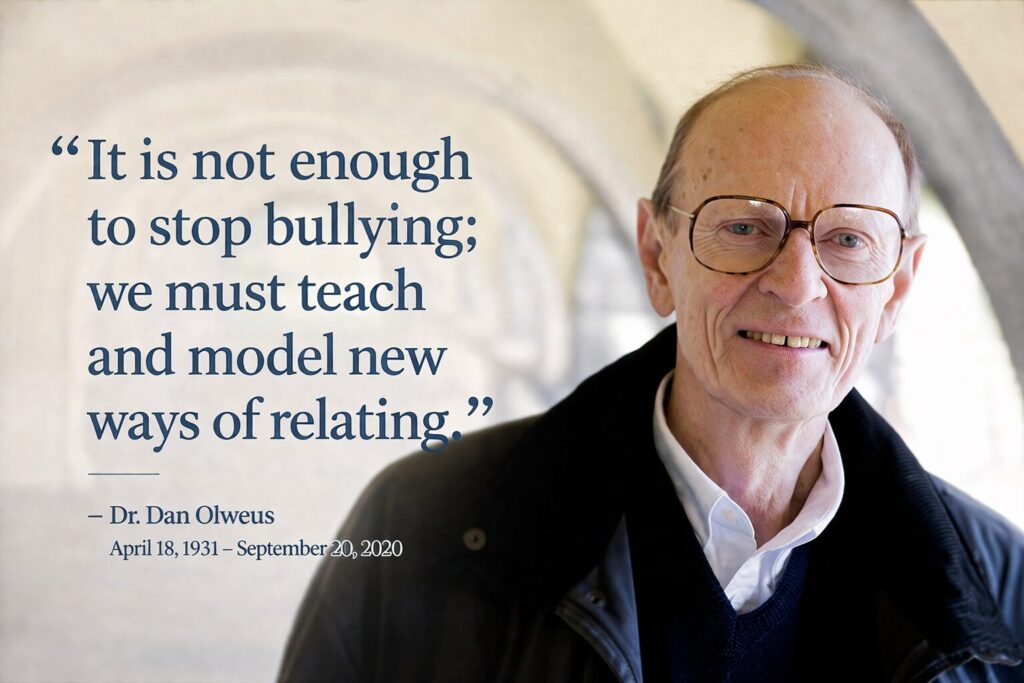
As Dr. Dan Olweus, often called the “father of bullying research,” put it: “It is not enough to stop bullying; we must teach and model new ways of relating.”
From Conflict to Connection
So yes, it’s a gut punch to hear your child has bullied someone. But it’s not a prophecy. It’s an invitation.
Handled with honesty, compassion, and clear boundaries, this moment can transform your child’s story from someone who hurt others, into someone who learns to heal them.
And if you’re still wondering what to do next, maybe the real question isn’t “What if my child is the bully?” but “What if this is the turning point that helps them become a leader instead?”
🌿 Enjoyed this post?
Let’s keep the conversation going.
Join our newsletter for gentle reminders, wellness tools, parenting tips, and soulful reflections—delivered with care, not clutter. 💌
✨ You’ll also get early access to guides, seasonal self-care ideas, and special updates from Samantha, LPC & founder of Post Oak Family Wellness.
Sign up here and stay connected.