
The Bedtime Struggle You Already Know
Picture this: it’s 8:30 p.m. The dishes are still in the sink, tomorrow’s lunches aren’t packed, and your child, wide-eyed, bouncing, insists they’re “not even tired.” (Meanwhile, you’re so tired you’d happily fall asleep on the floor.)
We parents know the drill. We try negotiation, we try firmness, maybe even a last-ditch bribe (“If you close your eyes, I’ll tell you a story about a dragon…”). Sometimes it works. Sometimes it doesn’t.
The problem isn’t your child’s energy level or even your parenting tactics. The missing ingredient may be something deceptively simple: mindfulness.
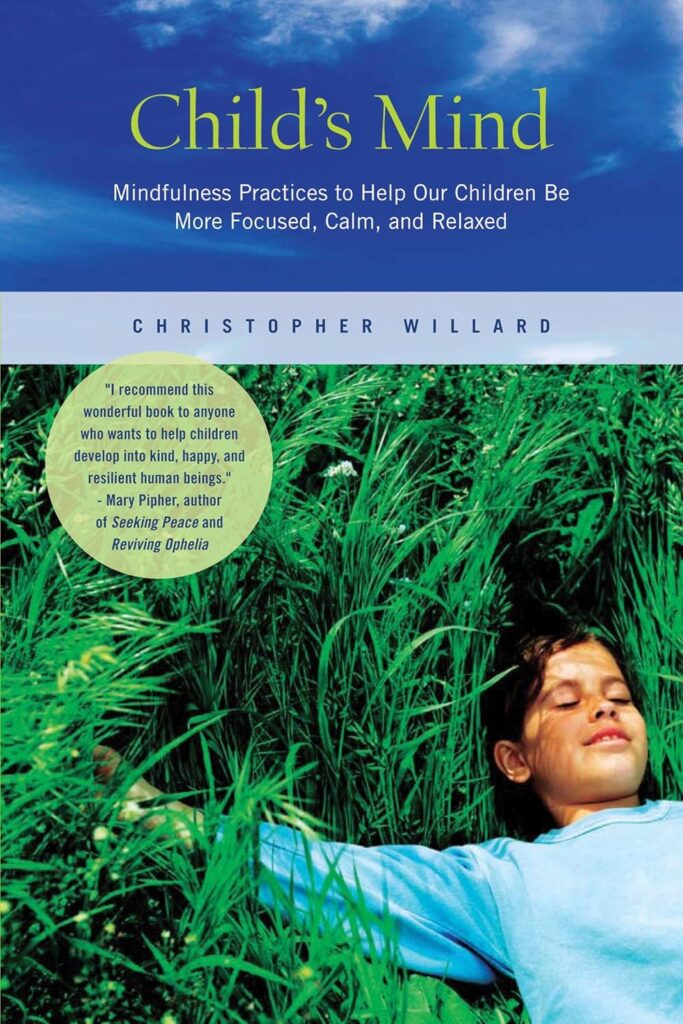
When Christopher Willard, Psy.D., published Child’s Mind: Mindfulness Practices to Help Our Children Be More Focused, Calm, and Relaxed, he wasn’t just adding another parenting book to the shelf. He was handing families a toolkit for moments exactly like this: when calm seems out of reach, and focus feels like a fantasy.
Willard, a psychotherapist and lecturer at Harvard Medical School, has worked with children and families for decades. He puts it plainly: mindfulness “is not about emptying the mind, but about paying attention, with kindness, to what is happening right now” ([Willard, Child’s Mind, Parallax Press, 2006]).
So what happens when we teach that to kids?
Why Mindfulness Matters for Kids (and Parents)
We often think of mindfulness as something adults do in yoga studios with soft lighting and scented candles. But research shows that kids benefit enormously, too.
A 2015 study published in Frontiers in Psychology found that school-based mindfulness programs improved students’ attention, reduced stress, and boosted emotional regulation (Zenner, Herrnleben-Kurz, & Walach, 2015).
In other words: mindfulness doesn’t just help kids fall asleep. It helps them navigate the playground, the classroom, and yes, the dinner table.
When kids learn to pause and breathe, parents often find their own stress levels dropping, too. (It’s the rare win-win where “relax” isn’t just wishful thinking.)
What “Child’s Mind” Actually Gives You
This isn’t a theory-heavy textbook. It’s a hands-on playbook. Inside, you’ll find:
Simple exercises like “mindful breathing with a stuffed animal” that make meditation concrete for kids.
Everyday applications: mindful eating, mindful walking, mindful listening, that sneak calm into daily routines.
Playful practices: Willard includes “a hundred things for kids to do mindfully,” because sometimes you need options when nothing else is working.
It’s all written with warmth and accessibility. You won’t find jargon here, just gentle guidance for weaving awareness into the chaos of family life.
What Stands Out (and What Doesn’t)
What stands out most is how adaptable it is. Parents, teachers and therapists can all use the same practices, just framed a little differently.
The limitation? It was first published in 2006. The ideas are timeless, but if you’re expecting the latest neuroscience or trendy buzzwords, you won’t find them here. Think of it less as a cutting-edge manual and more as a sturdy, well-loved compass.
Still, endorsements from mindfulness leaders like Thich Nhat Hanh and Susan Kaiser Greenland (author of The Mindful Child) give it lasting credibility.
A Lighthearted Truth
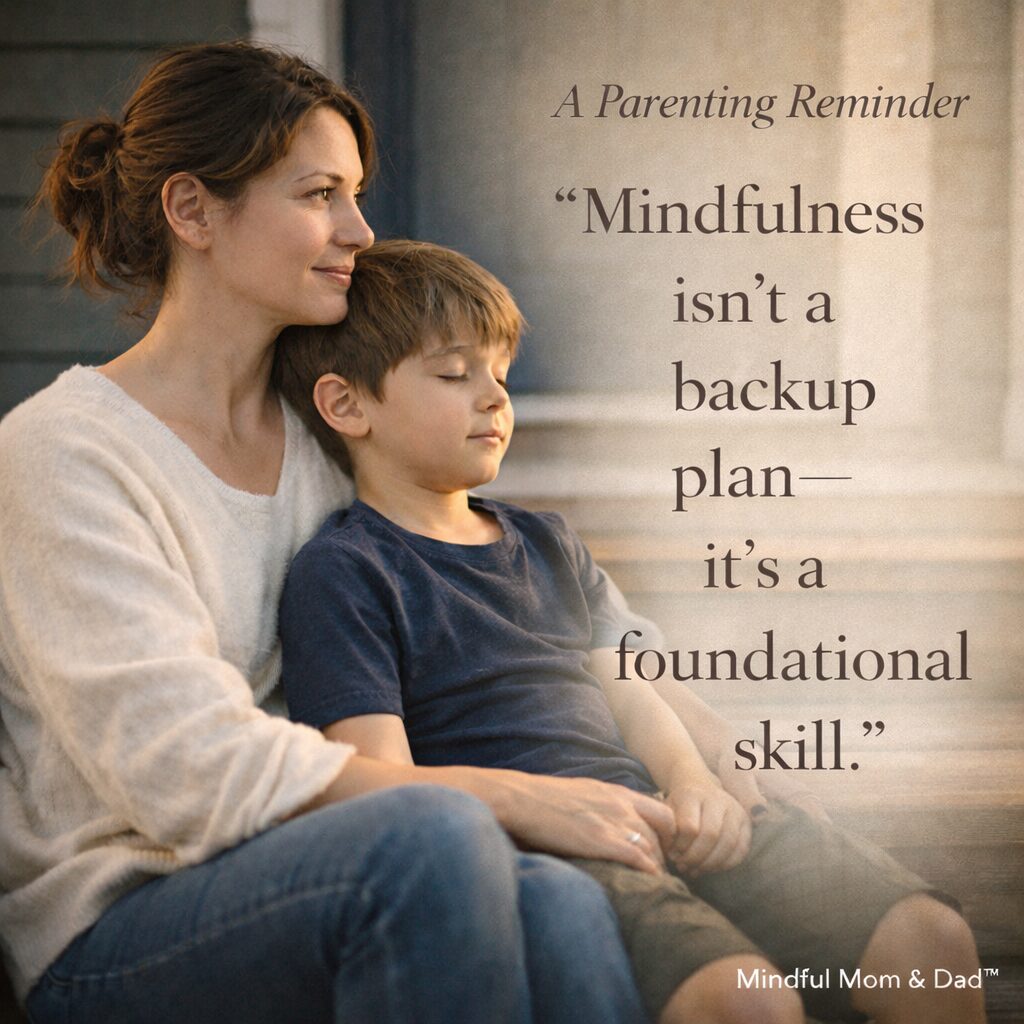
Here’s the funny thing: most of us parents try mindfulness on our kids after we’ve run out of other tricks. But Willard flips the script. He reminds us that mindfulness isn’t a backup plan—it’s a foundational skill.
(And if you’re skeptical: try a “mindful minute” with your child before homework. Watch how quickly “I can’t focus!” turns into “Okay, let’s do this.” It won’t solve algebra, but it’ll give them the patience to try.)
A Gentle Compass for Family Calm
In the whirlwind of parenting, Child’s Mind offers more than techniques. It offers relief—a reminder that calm is possible, even in a noisy, demanding world.
If you’ve ever wished for a bedtime without battles, a morning without meltdowns, or just one moment of shared stillness with your child, this book belongs on your nightstand.
What if the real gift we give our children isn’t teaching them what to think, but how to pause before they think?
That pause, small, mindful, and kind, could change everything.
🌿 Enjoyed this post?
Let’s keep the conversation going.
Join our newsletter for gentle reminders, wellness tools, parenting tips, and soulful reflections—delivered with care, not clutter. 💌
✨ You’ll also get early access to guides, seasonal self-care ideas, and special updates from Samantha, LPC & founder of Post Oak Family Wellness.
Sign up here and stay connected.