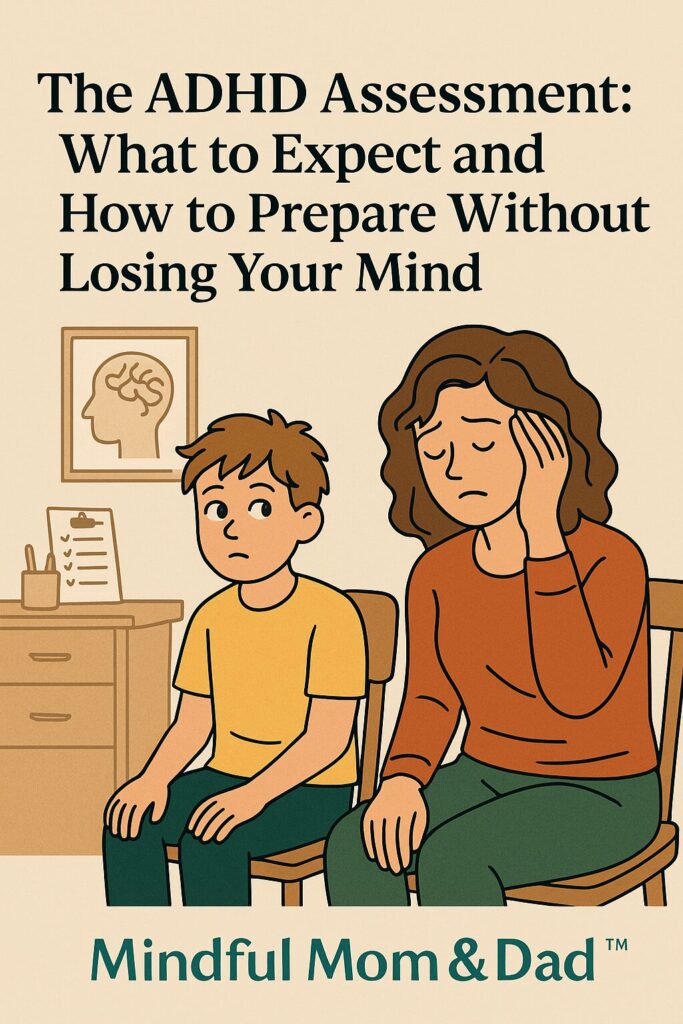
Picture this: you’re sitting in a doctor’s office, your heart racing, your child fidgeting in their seat, both of you unsure of what’s coming next. It’s an ADHD assessment, but what exactly does that mean for you as a parent, and for your child? Well, brace yourselves. It’s not just another check-up or a quick chat. It’s a comprehensive look at your child’s behavior, habits, and the environment they navigate every day.
But while you might think it’s all about finding what’s “wrong,” it’s actually about understanding what makes your child unique in the way they process the world.
And if you’re a bit nervous, don’t worry. You’re not alone. This is one of those experiences that can seem overwhelming at first, but with the right preparation, you’ll walk in ready, not just for the assessment, but for what’s next.
Before the Assessment: What’s the Prep Like?
You might think the doctor will handle everything, but guess what? You’ve got a part to play too. (Cue parent power!) The more information you provide, the better the assessment will be. It’s not just about symptoms you’ve noticed but also how your child behaves in different situations—at school, at home, or even in the grocery store when they’re refusing to put down that cereal box.
Tip: Keep a record of behaviors. Whether it’s on a napkin or in a high-tech app, note instances of inattentiveness, impulsivity, or hyperactivity. Specific examples will make the clinician’s job easier.
(Pro Tip: Be prepared to answer questions like, “How does your child behave at home vs. school?” or “Do they ever get so focused on something they forget to eat?” It’s like a mini reality show, except it’s your life, and the stakes are way higher.)
What Happens During the Assessment?
The ADHD assessment isn’t just a simple “check yes or no” test. Think of it as a marathon of questions, observations, and activities. While you might expect a full-on exam with medical instruments (nope, no needles or weird machines here), you will likely fill out questionnaires and behavioral checklists, and your child might be asked to complete attention-based tasks.
In some cases, a clinician might observe your child in action (no, this isn’t a spy mission, but it might feel like it!). These sessions help identify patterns of behavior that go beyond what a parent or teacher might describe in a report.
Real Experience: “We did a series of behavioral assessments, including a computerized attention test,” says Dr. Laura Schwartz, a child psychologist. “It’s important to not only rely on reports from parents or teachers, but also to see the child’s response in a controlled environment.”
The Test: It’s Not Just for Kids
While the kids are doing their part, so are you! As a parent, you’ll be asked about your own observations and any family history of ADHD or related conditions. (This is when the test turns into an impromptu family history quiz.)
Don’t stress. This part isn’t about catching you in a lie. It’s about building a well-rounded picture of your child’s behavior from all angles. Your insights are crucial.
Quick Tip: Be honest, and don’t try to “fill in the blanks.” If your child has good days and bad days, let the clinician know. The full picture matters more than a snapshot.
After the Assessment: The Waiting Game
The hardest part? The wait. ADHD assessments often require time to analyze the results thoroughly. Don’t be surprised if it feels like you’re sitting on pins and needles.
But here’s the upside: understanding that your child’s brain processes things differently is not a bad thing. In fact, it’s the first step toward finding strategies that work for your child and supporting them in ways that can make a world of difference. Whether it’s through therapy, medication, or lifestyle changes, knowledge is power!
Remember: An ADHD diagnosis isn’t the end of the world. If anything, it’s the beginning of a new chapter of empowerment for both you and your child.
So, what should a parent and child expect during an ADHD assessment? It’s a journey of discovery that’s not just about your child’s needs, but about the many ways they learn and interact with the world. With a little prep, some patience, and the willingness to embrace a different way of thinking, you’re taking an active role in a path that leads to better support and a deeper understanding of your child’s unique mind.
And remember: no one’s brain works exactly the same. ADHD is just one way of processing things differently. Embrace it—because the world needs all kinds of thinkers.
“When you feel like your child’s brain is bouncing off the walls, just remember—it’s probably more of a trampoline than a ticking time bomb!”
🌿 Enjoyed this post?
Let’s keep the conversation going.
Join our newsletter for gentle reminders, wellness tools, parenting tips, and soulful reflections—delivered with care, not clutter. 💌
✨ You’ll also get early access to guides, seasonal self-care ideas, and special updates from Samantha, LPC-Associate & founder of Post Oak Family Wellness.
Sign up here and stay connected.