
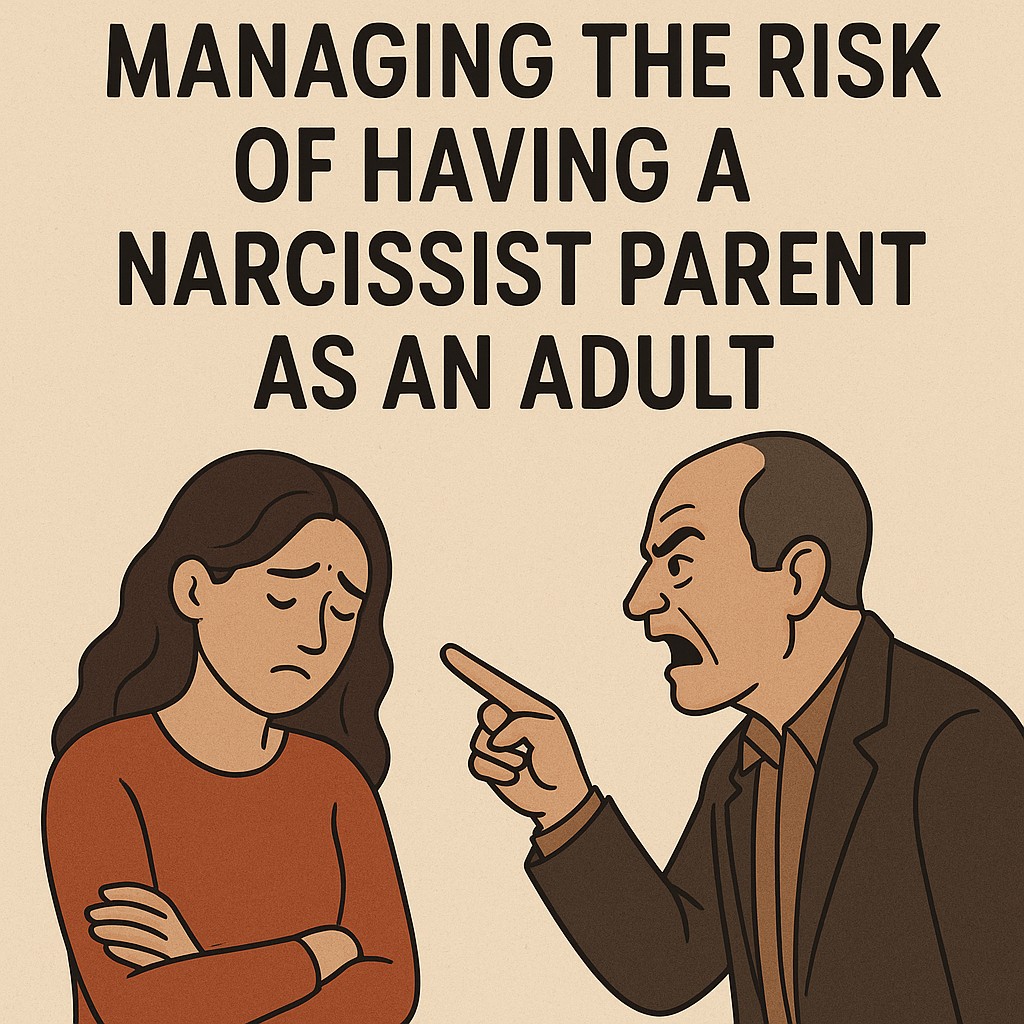
Success in life isn’t just about chasing opportunities. It’s also about recognizing and managing risks, especially the invisible ones.Some risks come from the outside world. But others are woven into the relationships we were born into.
One of the most complex?
👉 Having a narcissistic parent as an adult.
It doesn’t always look like abuse. Sometimes it looks like guilt, manipulation, or constant second-guessing yourself. But left unmanaged, it can sabotage your peace, your relationships, and your sense of self.
Here’s how to manage that risk strategically and soulfully.
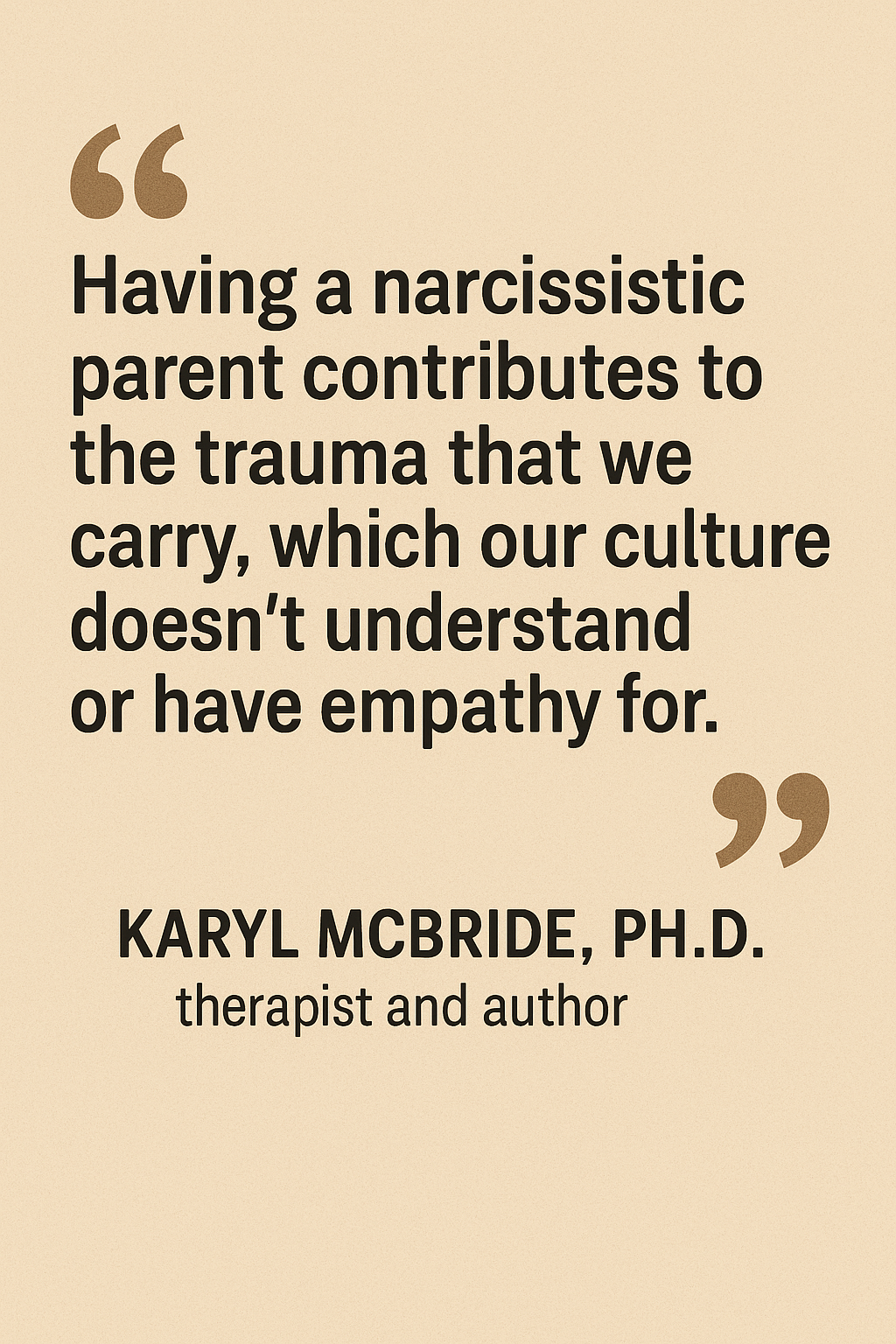
Managing the risk of having a narcissist parent as an adult is a deep act of self-protection and emotional sobriety. It’s no longer about winning their love. It is about you reclaiming your energy, your truth, and your peace.
Here’s how to manage that risk in practical, strategic, and deeply self-honoring ways:

1. Accept Who They Are (Not Who You Hoped They’d Be)
This is step one, and it’s brutal.
Narcissistic parents often cannot change because they don’t believe they need to.
They will:
- Rarely take accountability
- Twist your words to make themselves the victim
- View your boundaries as a betrayal
Clarity = safety. Stop waiting for them to validate your experience. Accepting their limits is how you reclaim your personal power.
2. Define Your Terms of Engagement
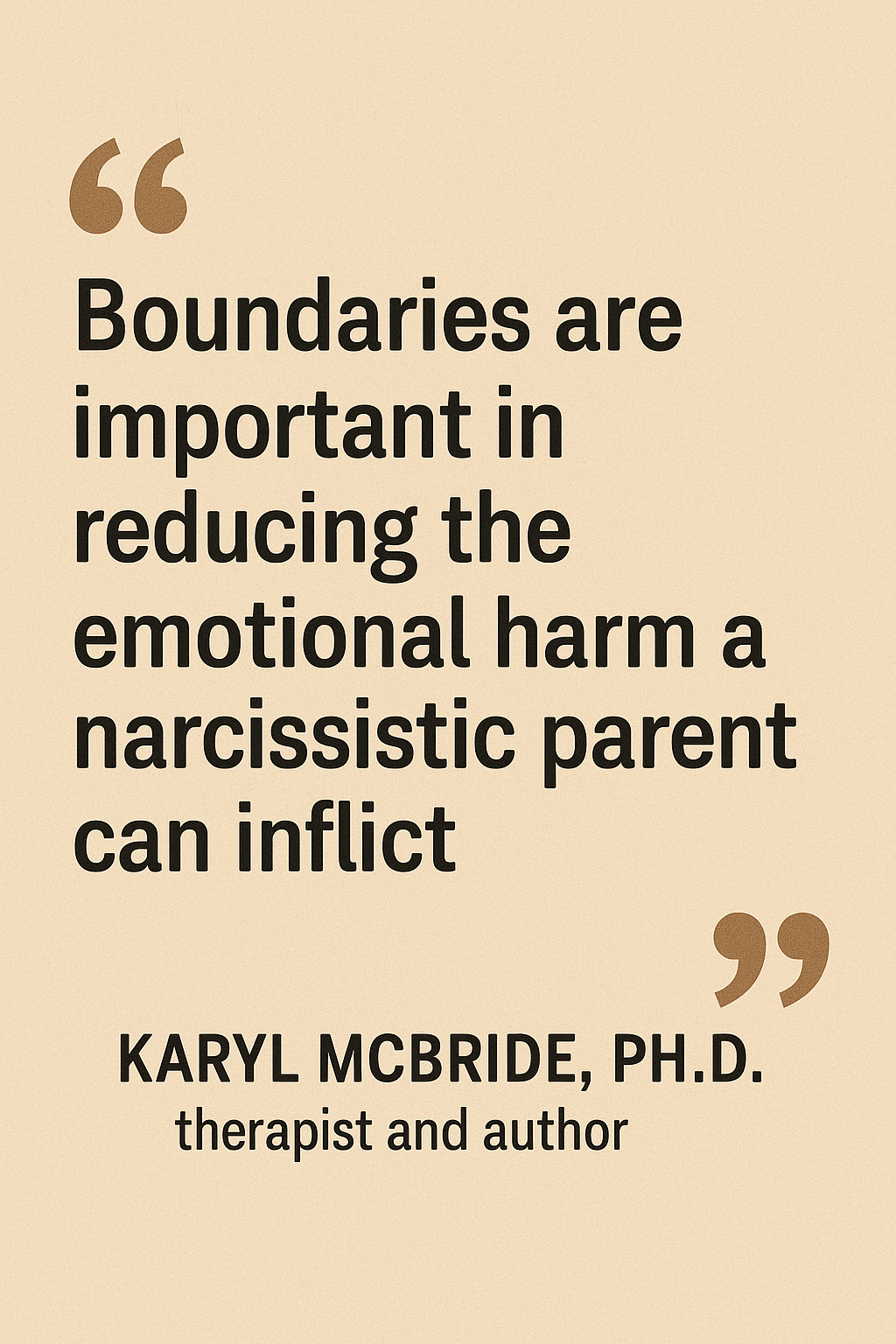
You may not have to go no contact to be safe, but you do need to set the terms of engagement:
Low contact: Limit conversations to surface-level or time-limited exchanges
Medium chill / gray rock: Be neutral and boring. Don’t feed their drama.
Script your exits: Practice what you’ll say when things turn toxic
Examples:
> “I’m not comfortable with how this conversation is going. Let’s revisit later.”
“I’ll be leaving if this continues.”
3. Remove Emotional Leverage
Narcissists feed on your guilt, shame, and need for approval. You disarm them by healing those wounds.
Ask yourself:
- Why do I still seek their approval?
- What would I do differently if I didn’t fear their judgment?
- What younger part of me still believes I owe them more than I owe myself?
Then slowly shift your motivation from pleasing them to protecting you.
4. Anticipate the Guilt Traps
Adult children of narcissists are often told:
“You’re too sensitive.”
“I did my best.”
“You owe me respect—I’m your parent.”
Here’s the truth:
💥 Respect is mutual
💥 Parenting is not a transaction
💥 Their wounds are not your responsibility to carry
You can feel compassion without self-abandonment.
5. Fortify Your Inner World
Protecting your external boundaries only works if your internal boundaries are strong.
Try:
Journaling prompts: “What do I wish someone would say to me after I see my parent?”
Somatic work: Let the body release the freeze/fawn response
Mantras: “I don’t need to shrink to stay safe.” / “Their story is not my truth.”
Therapy or support groups: Especially those for Adult Children of Narcissists (ACoNs)
6. Choose Your Version of ‘Family’
Blood ties do not entitle anyone to violate your peace.
Real family is who loves you with respect, not control.
Build your own circle of truth-tellers and safe people. That becomes your emotional home.
7. Plan for Escalation
When you start pulling away, expect:
- Guilt trips
- Sudden niceness (love-bombing)
- Slander to other relatives
- Emotional sabotage
What to do:
Stay calm.
Document interactions.
Don’t overexplain.
Let your consistency show them you mean it.
⚖️ Remember:
You’re not being cruel by protecting yourself.
You’re being honest.
And that’s the one thing a narcissist can’t tolerate, but your soul demands.
🌿 Enjoyed this post?
Let’s keep the conversation going.
Join our newsletter for gentle reminders, wellness tools, parenting tips, and soulful reflections—delivered with care, not clutter. 💌
✨ You’ll also get early access to guides, seasonal self-care ideas, and special updates from Samantha, LPC-Associate & founder of Post Oak Family Wellness.
Sign up here and stay connected.