
Learn what emotional intelligence is, why it’s critical for children, and how parents can nurture it across all age groups from toddlers to teens and young adults.
What Is Emotional Intelligence (EI)?
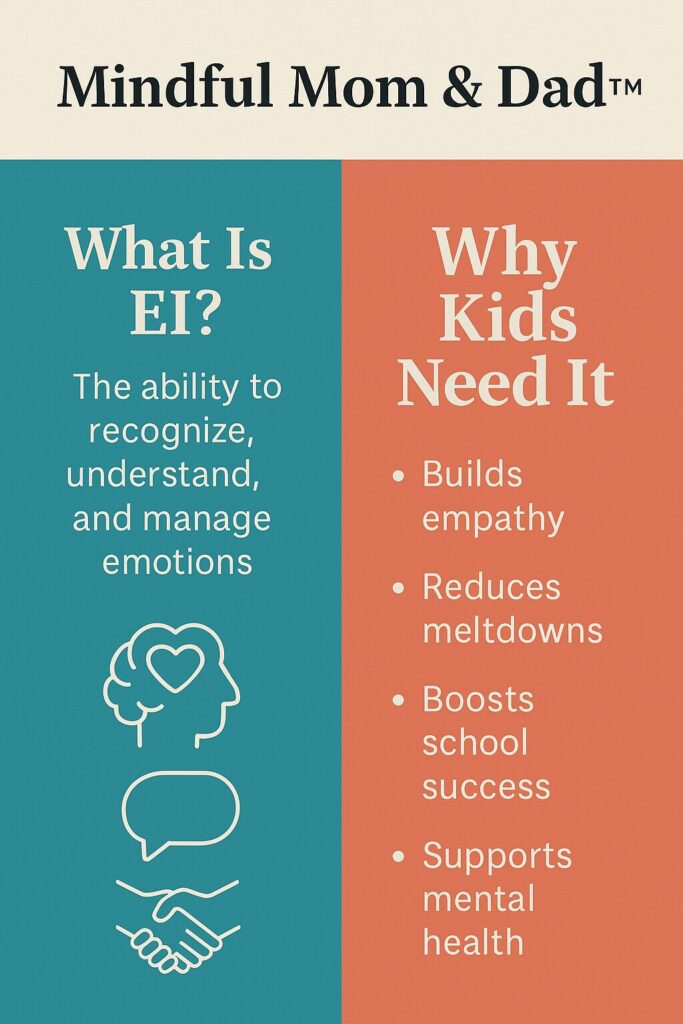
Emotional Intelligence (EI), or EQ, is the ability to recognize, understand, and manage our own emotions—while also being able to recognize and influence the emotions of others. It’s foundational to communication, conflict resolution, empathy, and personal well-being.
Why Do Kids Need Emotional Intelligence?
Children with strong emotional intelligence are better prepared for life’s challenges. EI supports:
Emotional regulation
Empathy and kindness
Conflict resolution
Academic performance
Mental health and well-being
Why Must Parents Be Proactive About EI?
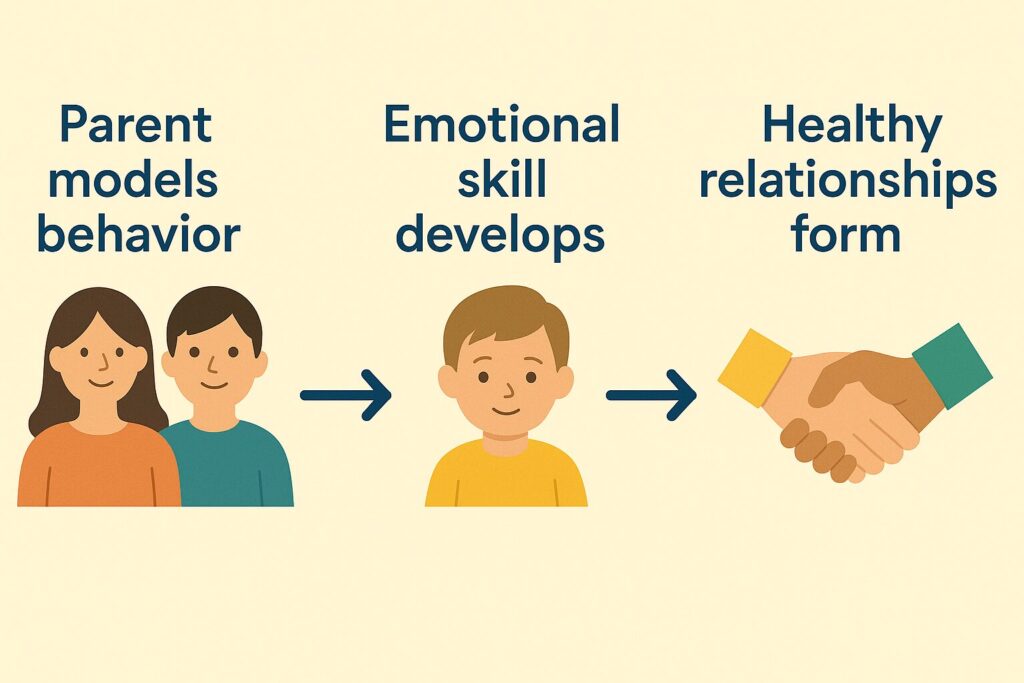
Emotional intelligence doesn’t develop on its own—it’s modeled, taught, and nurtured. Parents and caregivers are a child’s first emotional teachers.
Children mirror emotional behavior
Early support shapes lifelong emotional habits
Emotional safety builds trust and resilience
Proactive parenting prevents emotional shutdown or volatility
How to Foster Emotional Intelligence in Every Age Group
Toddlers and Preschoolers (Ages 1–5): emotional intelligence activities for toddlers
Name emotions: “You look sad because the block tower fell.”
Use books with emotional storytelling
Model feelings: “I’m feeling a little tired right now.”
Role-play scenarios with toys to explore emotions
School-Aged Kids (Ages 6–12): how to teach empathy to children
Introduce simple problem-solving frameworks
Use journaling or drawing for emotional expression
Try an “emotions chart” for body awareness
Validate feelings: “It’s okay to be upset—it’s what you do with that feeling that matters.”
Teenagers (Ages 13–18): emotional regulation for teens
Encourage them to talk through thoughts before decisions
Explore emotional dynamics in movies and media
Respect emotional independence while offering support
Teach tools like mindfulness, deep breathing, and reflective journaling
Young Adults (Ages 19+): emotional intelligence in college students
Use real-life challenges as emotional learning opportunities
Promote emotional vocabulary growth
Model vulnerability and healthy boundary-setting
Encourage empathy in personal and professional communication
Final Thoughts: EI Is a Gift for Life
Emotional intelligence is not a personality trait. It’s a teachable, learnable skill. Whether your child is 2 or 22, fostering EI helps them navigate life with resilience, empathy, and confidence.
Start today. Model it. Talk about it. Create a safe space for feelings to be seen, heard, and respected.
—
🌿 Enjoyed this post?
Let’s keep the conversation going.
Join our newsletter for gentle reminders, wellness tools, parenting tips, and soulful reflections—delivered with care, not clutter. 💌
✨ You’ll also get early access to guides, seasonal self-care ideas, and special updates from Samantha, LPC-Associate & founder of Post Oak Family Wellness.
Sign up here and stay connected.