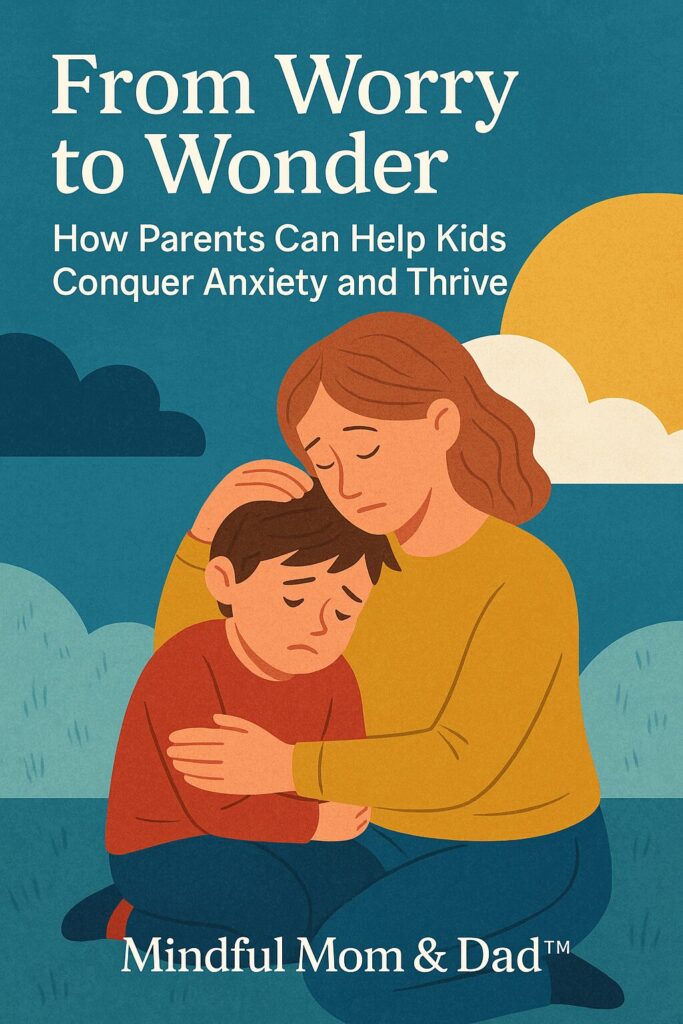
It’s a Tuesday morning, and your child is clinging to your leg like their life depends on it. (Spoiler: It doesn’t—but it sure feels like it, doesn’t it?) You’ve tried everything: hugs, pep talks, even promising an extra 20 minutes of screen time. Still, no dice.

Childhood anxiety has a sneaky way of turning everyday moments like getting to school into a battlefield. And, as a parent, if you’ve ever felt helpless in the face of it, you’re far from alone. According to the CDC, approximately 9.4% of children aged 3-17 in the U.S. have been diagnosed with an anxiety disorder. That’s millions of parents navigating the same tricky waters.
But anxiety isn’t the enemy. It’s a signal. And with the right strategies, you can help your child not just manage it—but use it as a stepping stone to greater resilience.
Understand the Roots of Anxiety
Think of anxiety like a car alarm. Sometimes it’s useful (hello, real danger!), but other times, it’s just hyper-sensitive wiring.
- What Causes It? From genetic predispositions to stress at school, the triggers vary widely.
- Case in Point: Research from the National Institutes of Health reveals that children are particularly vulnerable to anxiety when exposed to high parental expectations or inconsistent routines.
(Pro Tip: Before jumping to solutions, take time to observe patterns. When does your child seem most anxious?)
Create a Safe Space
Kids often don’t have the vocabulary to say, “I’m overwhelmed.” Instead, they show it—through tantrums, withdrawal, or even tummy aches.
(Because who doesn’t feel stress in their stomach?)
What you can do:
- Establish a daily check-in where they can talk about their feelings.
- Use prompts like, “What was the best part of your day? What was tricky?”
(Bonus Tip: Validate their emotions. Saying, “I understand why that scared you,” works wonders.)

Tame the Brain’s Alarm System
When anxiety strikes, the brain’s “fight or flight” response takes over. Teach your child how to calm the storm.
- Breathing Exercises: Try the 4-7-8 method (inhale for 4 seconds, hold for 7, exhale for 8).
- Mindfulness Games: Use tools like the “5-4-3-2-1” technique (name 5 things you see, 4 you can touch, etc.).
(What if they resist these tools? Here’s the trick: Make it a game, not a chore!)
Lead by Example
Children are sponges for behavior (even the ones you wish they wouldn’t absorb). If you want them to handle anxiety well, show them how you manage stress.
- Instead of saying, “I’m so stressed!” try, “This is hard, but I’ll figure it out.”
- Share your own calming rituals—like taking a walk or journaling.
(Yes, you might have to work on your own anxiety first. Worth it, though.)
When to Call in the Experts
Sometimes, anxiety goes beyond what you can handle at home. Don’t hesitate to seek professional help if:
- Anxiety interferes with daily life (school, friends, or sleep).
- Physical symptoms like headaches or stomach pain persist.

Dr. Lisa Damour, clinical psychologist and author of “Under Pressure: Confronting the Epidemic of Stress and Anxiety in Girls” (2019), highlights the importance of addressing patterns of avoidance. Persistent avoidance behaviors can worsen anxiety over time, and involving a professional can help your child learn healthier coping mechanisms.
Therapy isn’t a last resort—it’s a tool. Normalize it as you would a doctor’s visit.
Anxiety may feel like a monster under the bed, but with the right approach, you can turn the lights on and show your child there’s nothing to fear. By fostering understanding, teaching coping skills, and modeling resilience, you’re giving them a gift they’ll carry into adulthood.

As the brilliant Fred Rogers (Mister Rogers) once said:
“Anything that’s human is mentionable, and anything that is mentionable can be more manageable.”
This quote reflects his belief in the importance of discussing emotions openly to make them less overwhelming.
In his book You Are Special: Words of Wisdom for All Ages, Rogers emphasizes that expressing our feelings can make them less intimidating and help us realize we’re not alone.
So mention it. Manage it. And watch your child thrive.
(Final Question: What small step will you take today to help your child face their worries head-on?)
🌿 Enjoyed this post?
Let’s keep the conversation going.
Join our newsletter for gentle reminders, wellness tools, parenting tips, and soulful reflections—delivered with care, not clutter. 💌
✨ You’ll also get early access to guides, seasonal self-care ideas, and special updates from Samantha, LPC & founder of Post Oak Family Wellness.
Sign up here and stay connected.