
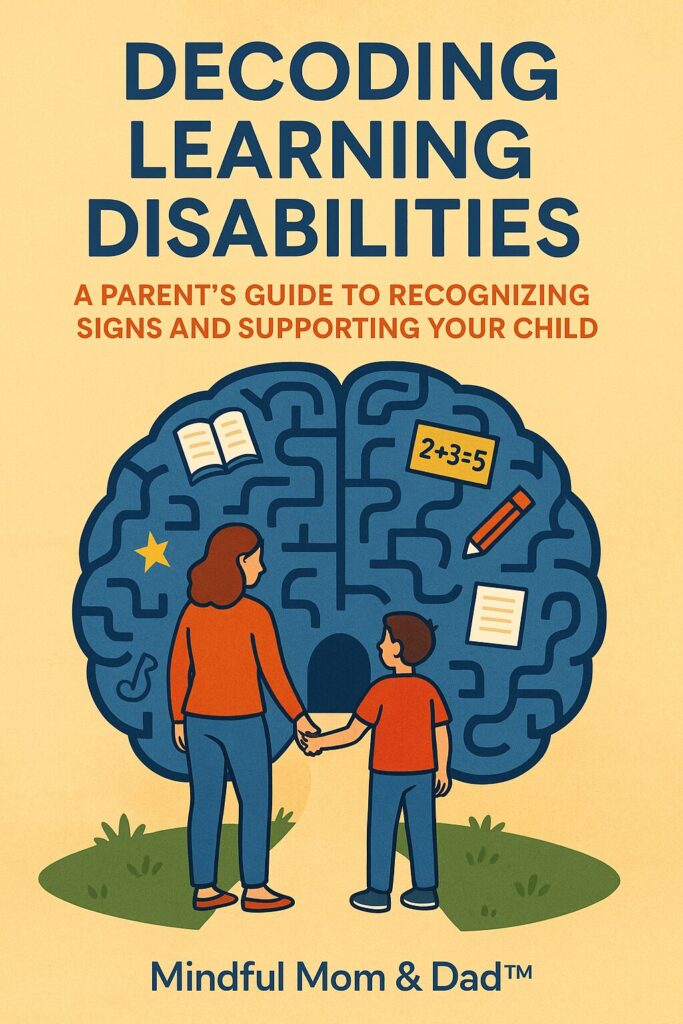
Imagine this: Your child, who once eagerly flipped through picture books, now dreads reading time. Homework becomes a battleground, and simple math problems lead to tears. (Sound familiar?) Suddenly, you’re navigating a maze of confusion, wondering if there’s more to these struggles than meets the eye.
Learning disabilities affect approximately 5-15% of school-age children worldwide.
Early recognition and intervention are crucial for their academic and personal development.
Understanding Learning Disabilities
Learning disabilities are neurologically-based processing issues that can hinder learning basic skills such as reading, writing, or math. They can also interfere with higher-level skills like organization, time planning, and abstract reasoning.
Common Signs to Watch For
1. Reading Difficulties (Dyslexia):
Trouble reading words, such as reading slowly, having difficulty sounding out words, and reading words incorrectly.
2. Writing Challenges (Dysgraphia):
Handwriting that’s hard to read.
Trouble putting thoughts into writing.
Written text that’s poorly organized or hard to understand.
3. Math Struggles (Dyscalculia):
Difficulty understanding number-related concepts or using symbols or functions needed for success in mathematics.
4. Attention Issues (ADHD):
Short attention span and difficulty focusing.
Poor memory.
Difficulty following instructions.
5. Coordination Problems (Dyspraxia):
Difficulty with tasks requiring fine motor skills, such as tying shoelaces or using cutlery.
Clumsiness to the point of knocking things over, causing minor injuries to oneself and bumping into people accidentally.
Encouraging Words for Parents
Discovering that your child has a learning disability can feel overwhelming. But remember, you’re not alone, and neither is your child. With the right support and interventions, children with learning disabilities can thrive.
As one parent aptly put it, “Your special needs journey won’t be the same as anyone else’s, so don’t let anyone in the world tell you what it should look like.”
Taking Action
If you notice these signs, consider seeking a professional evaluation. Early intervention can make a significant difference in your child’s development.
Collaborate with educators, therapists, and support groups to create a comprehensive plan tailored to your child’s needs.
Navigating the world of learning disabilities may seem daunting, but with knowledge, support, and a dash of humor (because let’s face it, parenting always requires one), you can guide your child toward a bright and successful future.
Remember, every child learns differently. Embrace their unique journey, celebrate their progress, and equip them with the tools to thrive. After all, as Robert John Meehan said, “Each child is unique, not only capable of learning but also capable of succeeding.”
🌿 Enjoyed this post?
Let’s keep the conversation going.
Join our newsletter for gentle reminders, wellness tools, parenting tips, and soulful reflections—delivered with care, not clutter. 💌
✨ You’ll also get early access to guides, seasonal self-care ideas, and special updates from Samantha, LPC & founder of Post Oak Family Wellness.
Sign up here and stay connected.