
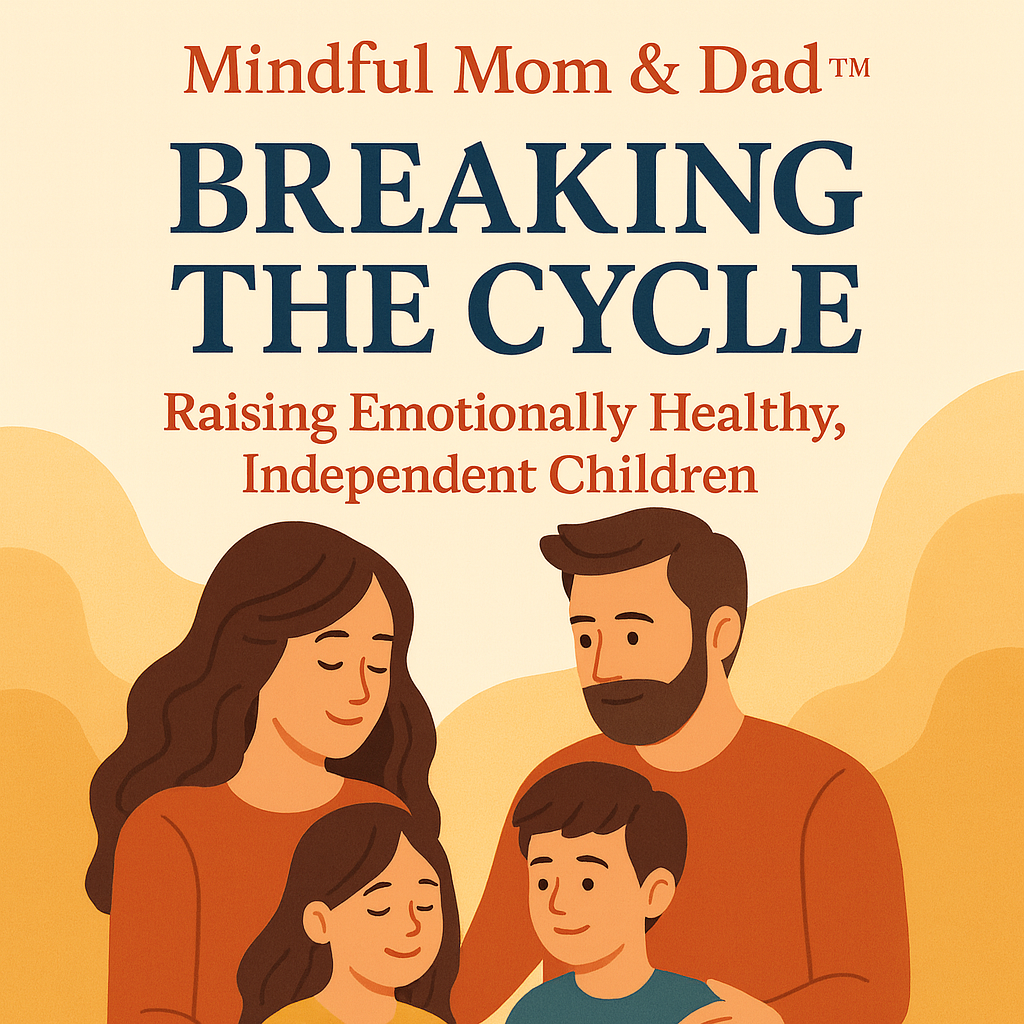
As parents, we want our children to grow up to be kind, responsible, and loving. But sometimes, in an effort to instill these values, we unknowingly place emotional burdens on them that they are not equipped to carry.
When children feel responsible for their parents’ emotions, conflicts, or well-being, they may grow up feeling guilty for having needs, afraid to set boundaries, or overly responsible for others. This pattern that can follow them well into adulthood.
By understanding parentification, emotional enmeshment, and trauma bonding, we can break unhealthy cycles and foster secure, confident, and independent children.
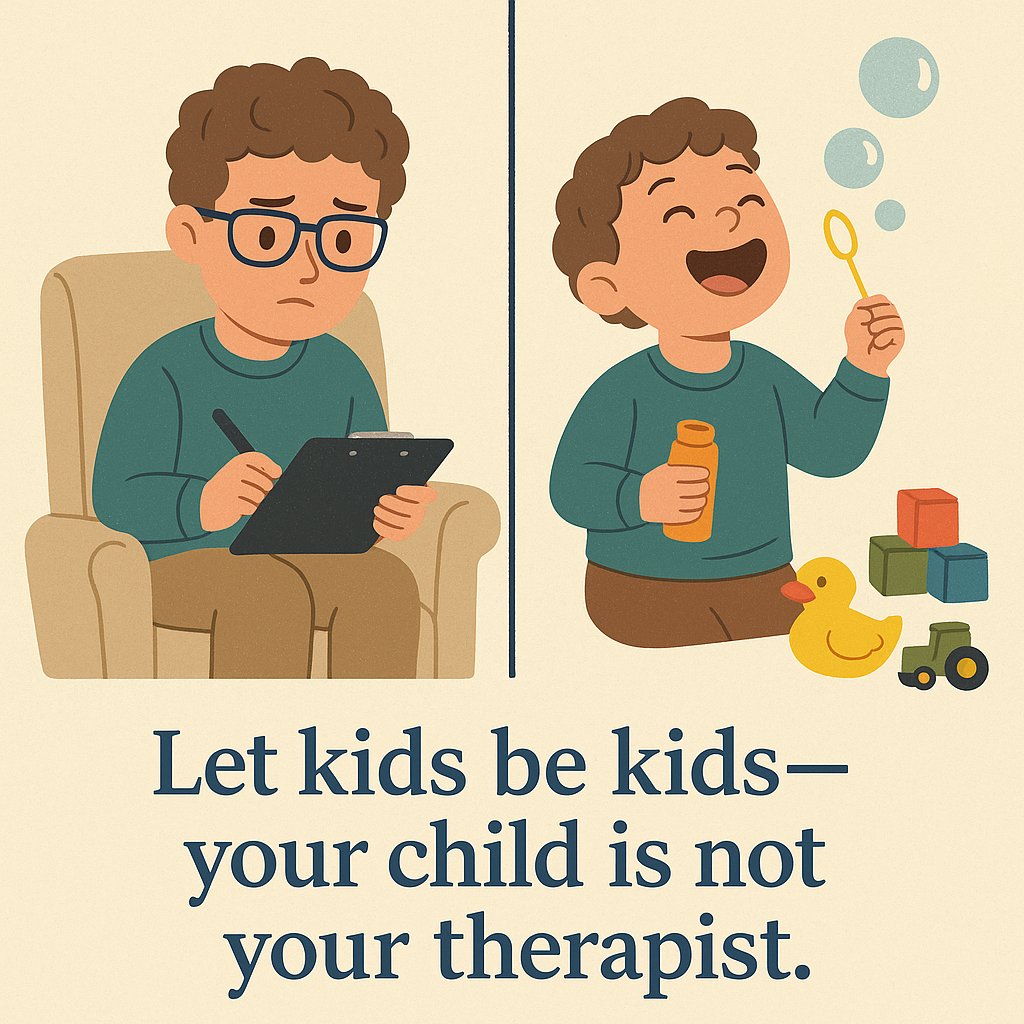
Avoiding Parentification: Let Kids Be Kids
Parentification happens when children are expected to take on adult responsibilities, either emotionally or physically, before they are developmentally ready. This might look like:
Relying on a child for emotional support during adult struggles.
Expecting an older sibling to “raise” younger ones.
Placing financial or household burdens on a child.
Encouraging them to mediate family conflicts.
Why It’s Harmful:
Children who experience parentification often grow up struggling to prioritize themselves. They may become perfectionists, chronic caregivers, or people-pleasers, and may feel guilty for asserting their own needs.
What to Do Instead:
Let kids be kids. They should be free to play, explore, and make mistakes without adult-sized worries.
Find adult support. Seek out a therapist, trusted friend, or community for emotional help. Your child shouldn’t carry that burden.
Encourage emotional expression. Teach them that their feelings matter, too, not just yours.
📌 Research Insight: The Global Impact of Parentification: A recent review highlights that parentification—where children assume adult-like roles prematurely—is a global phenomenon with both positive and negative effects. While some children develop resilience, many experience anxiety, depression, and even physical health issues. The key factor? Support systems and perception of the experience. Children with access to emotional support tend to cope better, whereas those without suffer long-term consequences. Source – PMC
Preventing Emotional Enmeshment: Teaching Healthy Boundaries
In enmeshed families, parents and children have blurred emotional boundaries. Instead of seeing their child as a separate person, a parent may unknowingly over-identify with them, making them feel responsible for their parent’s emotions or struggles.
Signs of Emotional Enmeshment:
Expecting a child to be your emotional confidant.
Making a child feel guilty for having different opinions or needs.
Encouraging excessive dependence instead of fostering independence.
Sending the message that “family always comes first,” even at a personal cost.
Why It’s Harmful:
Children in enmeshed families often grow up feeling responsible for making others happy. They may struggle with decision-making, independence, or setting boundaries in relationships.
What to Do Instead:
Respect their individuality. Allow them to have their own opinions, feelings, and choices, even if they differ from yours.
Model healthy boundaries. Show them that saying “no” is okay and that everyone is responsible for their own emotions.
Encourage independence. Let them try new things, make decisions, and develop their own interests.
📌 Research Insight: Enmeshment & Identity Struggles: Children raised in emotionally enmeshed families often struggle to develop a sense of self. They may find it difficult to form independent relationships, make decisions, or even recognize their own needs apart from their family’s expectations. (Source: Positive Psychology)
Recognizing & Preventing Trauma Bonding
Trauma bonding occurs when a child becomes deeply loyal to a parent, even when that parent’s behavior is harmful or inconsistent. This can happen when:
A parent alternates between love and punishment, making the child crave their approval.
A child is taught that they must “earn” love by being perfect or obedient.
A parent uses emotional withdrawal or guilt to control the child.
Why It’s Harmful:
Children in trauma bonds may grow up confusing love with pain, making them more vulnerable to unhealthy relationships later in life.
What to Do Instead:
Consistently show love without conditions. Love them for who they are, not what they do.
Avoid using guilt as a tool. Phrases like “After all I’ve done for you…” create unhealthy emotional debt.
Apologize when necessary. Teach them that making mistakes is part of being human, both for kids and parents.
Navigating Cultural & Religious Expectations Without Harm
Many cultures emphasize duty, honor, and lifelong family loyalty which can be beautiful if balanced with respect for individual well-being. However, when children are expected to sacrifice their own needs in the name of family, it can lead to resentment, guilt, and a loss of personal identity.
Common Harmful Messages:
“You must always put family first.”
“It’s your duty to take care of us when we’re older.”
“Good children obey without question.”
What to Do Instead:
Teach responsibility, not obligation. Show them how to care for others out of love, not guilt.
Encourage open conversations. Let them express their thoughts, doubts, and feelings without fear.
Model healthy independence. Show them that it’s okay to live their own life while still loving their family.
Breaking the Cycle: Raising Emotionally Healthy Kids
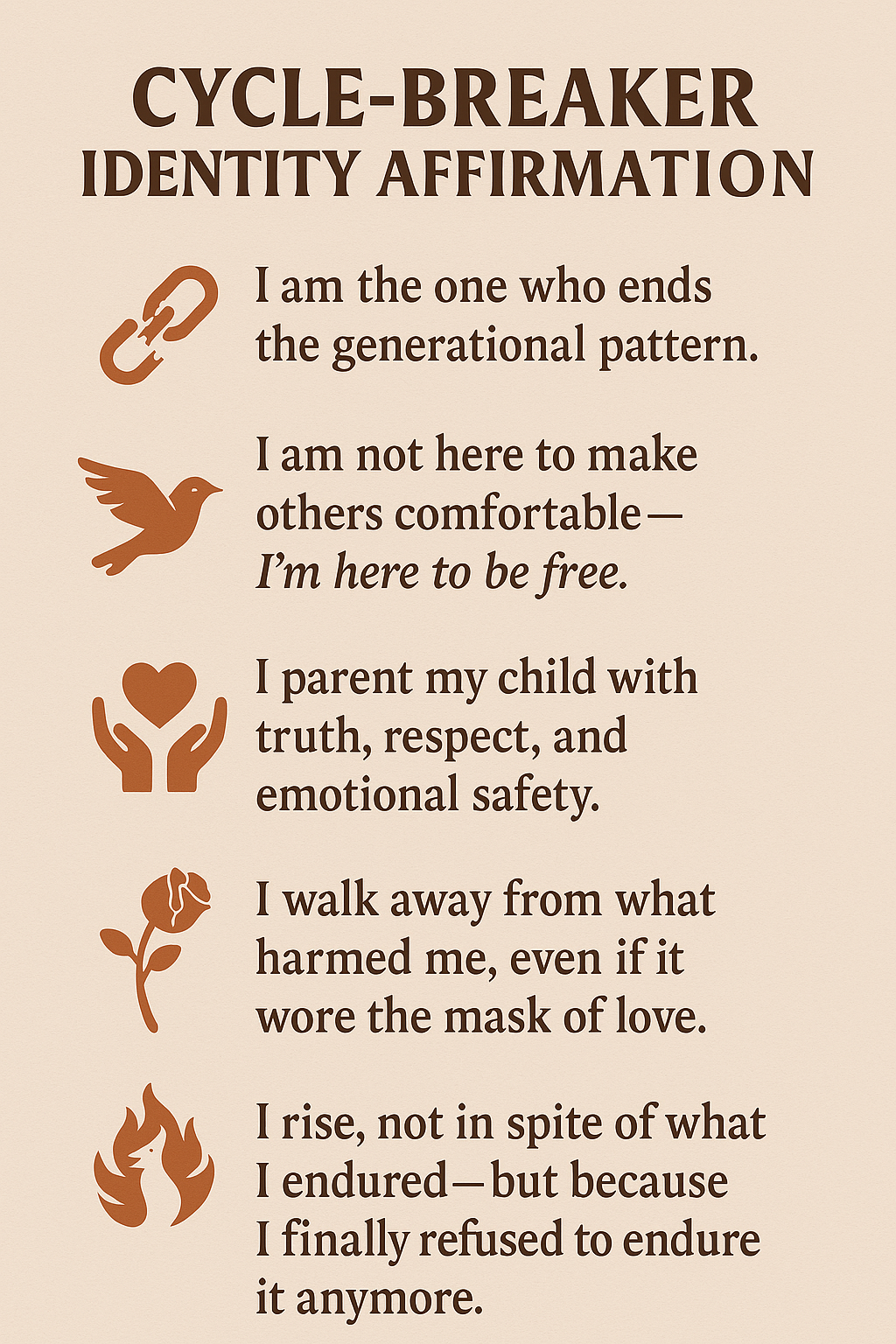
As parents, we are our children’s first teachers. When we model healthy emotional boundaries, self-respect, and independence, they will grow up knowing how to do the same.
Here’s how to start:
✅ Validate their emotions. Teach them that their feelings are real and important.
✅ Encourage independence. Let them explore, make mistakes, and find their own path.
✅ Respect boundaries. Show them that personal space and limits are healthy.
✅ Find adult support. Lean on your partner, therapist, or community—your child should not be your emotional caretaker.
✅ Lead by example. Take care of your own emotional health, so they learn to do the same.
Parenting isn’t about control, it’s about guiding our children into becoming their own person. By fostering self-awareness, confidence, and healthy boundaries, we give them the greatest gift of all: the freedom to be themselves.
🌿 Enjoyed this post?
Let’s keep the conversation going.
Join our newsletter for gentle reminders, wellness tools, parenting tips, and soulful reflections—delivered with care, not clutter. 💌
✨ You’ll also get early access to guides, seasonal self-care ideas, and special updates from Samantha, LPC & founder of Post Oak Family Wellness.
Sign up here and stay connected.