
The Hidden Bruises We Carry
You can spot a physical scar. But what about the emotional ones?
Let’s say your friend forgets to text back. Do you shrug it off, or spiral into an invisible storm of self-blame and fear?
Childhood trauma isn’t just about the big, dramatic stuff (abuse, neglect, war). It’s often about what didn’t happen: not feeling safe, not being seen, not being soothed.
Many of us walk around with well-dressed wounds. We work. We parent. We smile. But deep inside, old pain pulls the strings.
Here’s the good news: the signs of unhealed childhood trauma are not flaws. They’re clues, and every clue points toward healing.
In this deep dive, we’ll unpack ten common trauma signs and the therapy techniques often used to address them.
Let’s get into it.
1. Intense Emotional Reactions to Small Triggers
You drop your keys and rage. Your partner sighs, and you freeze. The size of the emotion doesn’t match the situation but it matches something else.
What helps:
EMDR (Eye Movement Desensitization and Reprocessing): Helps reprocess old emotional pain so current triggers lose their charge.
Somatic Experiencing: Focuses on how trauma lives in the body, helping you release tension and regulate.
Internal Family Systems (IFS): Identifies the “parts” of you that get triggered and helps them feel seen and soothed.
“Trauma is not what happens to us, but what we hold inside in the absence of an empathetic witness.” — Dr. Gabor Maté
2. Chronic People-Pleasing or Codependency
You say yes when you mean no. You’re exhausted but still making cupcakes for people who wouldn’t lift a finger for you. Sound familiar?
What helps:
Cognitive Behavioral Therapy (CBT): Helps you challenge beliefs like “my worth depends on being needed.”
Assertiveness Training: Teaches you how to set boundaries without guilt.
Schema Therapy: Digs into lifelong patterns rooted in unmet childhood needs.
3. Deep-Seated Shame or Guilt
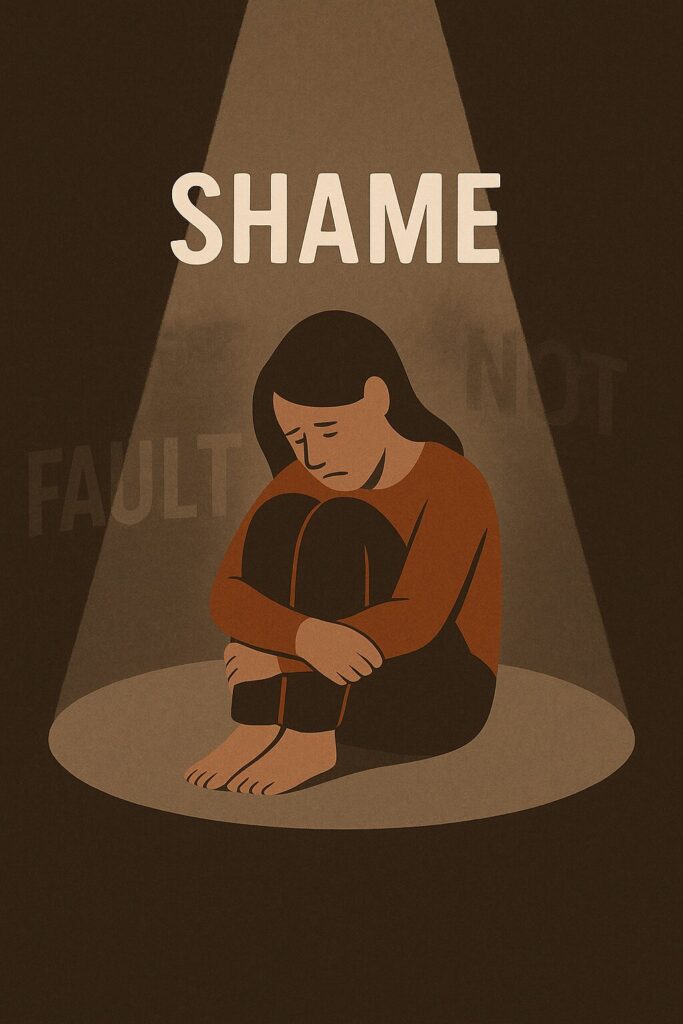
You apologize constantly. You assume things are your fault. You hide your real thoughts because they might prove you’re “bad.”
What helps:
Compassion-Focused Therapy (CFT): Specifically designed to treat shame using mindfulness and self-kindness.
Narrative Therapy: Helps reframe your story so you’re not the villain, but the survivor.
Trauma-Informed Psychodynamic Therapy: Explores early relationships that may have implanted shame.
4. Difficulty Trusting Others
You want closeness—but also brace for betrayal. You snoop. You test. Or you ghost first.
What helps:
Attachment-Based Therapy: Targets wounds from caregivers and helps build safe emotional connections.
DBT (Dialectical Behavior Therapy): Improves relationship stability and emotional regulation.
Group Therapy: Allows safe relational practice with others who get it.
5. Fear of Abandonment or Rejection
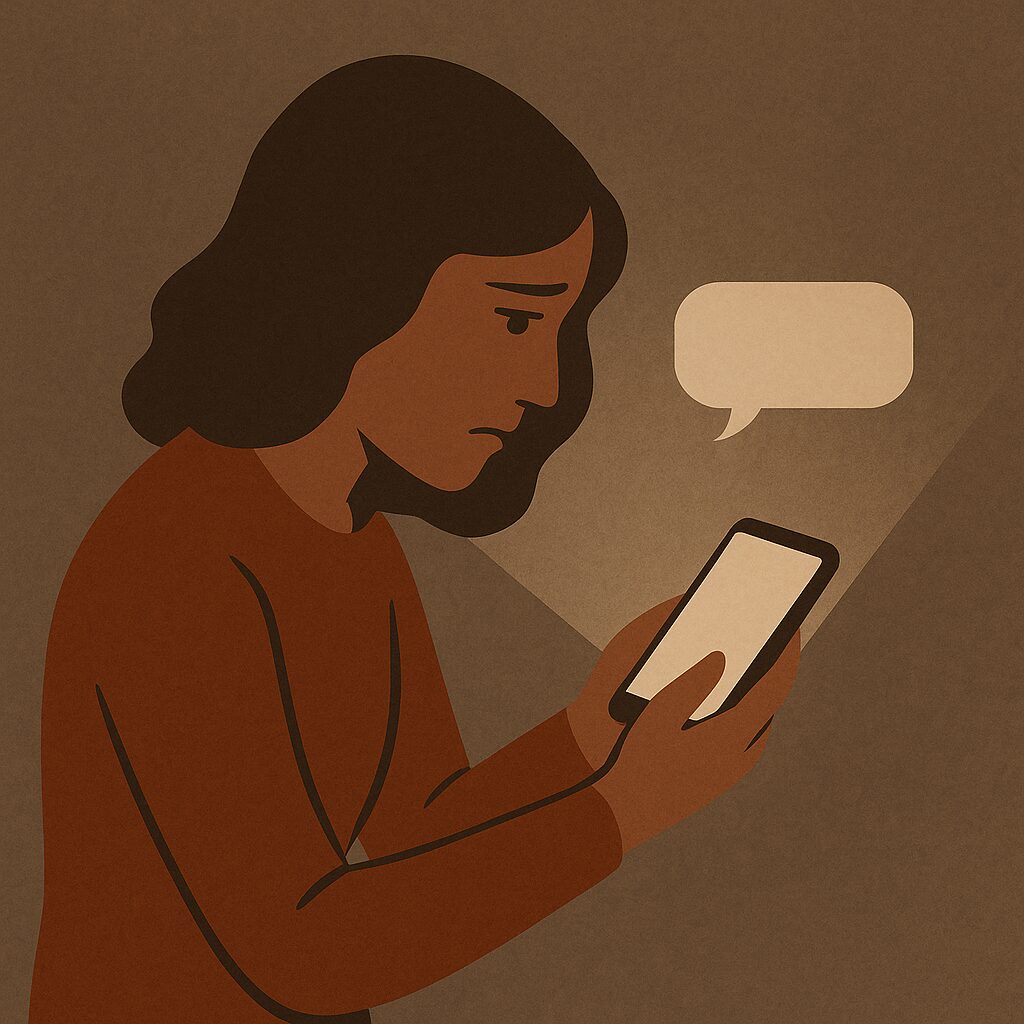
You replay every text. You panic when someone takes a while to reply. Your body remembers every time love left.
What helps:
Emotionally Focused Therapy (EFT): Builds secure bonds and helps calm panic around intimacy.
IFS: Identifies the “child parts” that fear being left and helps nurture them.
Mindfulness-Based Stress Reduction (MBSR): Reduces emotional overactivation during perceived threats.
6. Emotional Numbness or Disconnection
You can’t cry. Or feel joy. Or care. You’re on autopilot, watching life from the outside.
What helps:
Sensorimotor Psychotherapy: Reconnects mind and body through movement and sensation.
Art or Music Therapy: Bypasses words and taps into feeling.
Trauma-Informed Yoga or Breathwork: Gently reopens your capacity to feel.
7. Self-Sabotaging Behaviors
You ruin things just as they start going well. You procrastinate. You pick fights. You quit when you should stay.
What helps:
CBT + Behavioral Activation: Rewires patterns of avoidance.
IFS: Helps explore the part of you that sabotages and what it believes it’s protecting you from.
Motivational Interviewing (MI): Increases insight and commitment to change.
You’re not too late. You’re right on time.
Want to take the first step? Explore the Wellness, Wealth & Beauty™ framework, where healing is sacred, and your wholeness is the priority.
Let’s rebuild from the inside out. Together.
8. Difficulty Regulating Emotions

You cry out of nowhere. Or can’t calm down. Or swing between numb and overwhelmed.
What helps:
DBT: Especially good for managing intense emotional waves.
Polyvagal-Informed Therapy: Helps regulate your nervous system via the vagus nerve.
ACT (Acceptance and Commitment Therapy): Helps build emotional flexibility.
9. Hyper-Independence
You’d rather do everything alone than risk disappointment. Help feels like danger.
What helps:
Relational Therapy: Builds trust, slowly and safely.
Attachment Repair Work: Especially helpful if early caregivers were unsafe or absent.
Psychoeducation: Understanding why you’re this way helps reduce shame.
10. Recurring Toxic Relationships
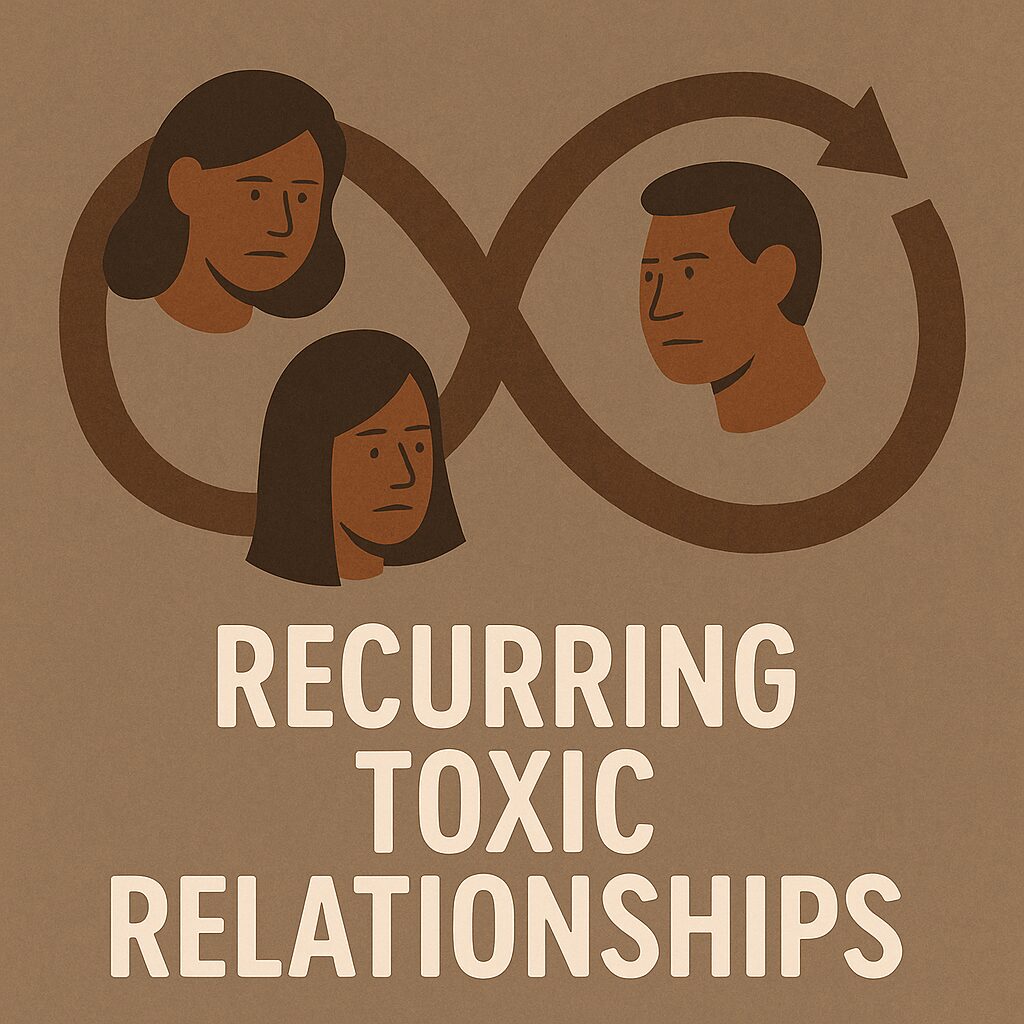
You keep attracting narcissists. Or fixers. Or addicts. Or emotional toddlers.
What helps:
Schema Therapy: Targets the unconscious templates drawing you to the same patterns.
Trauma Recovery Coaching: Focuses on recognizing red flags and setting new standards.
Parts Work / IFS: Helps resolve the inner wounds that keep choosing chaos.
Final Thoughts: Your Pain is Valid, and Healing is Possible

Unhealed trauma doesn’t make you broken. It makes you brilliantly adaptive. Those defense mechanisms? They were survival tools. But you don’t live in that danger anymore.
Therapy isn’t about fixing what’s wrong with you. It’s about returning to who you were before the world told you otherwise.
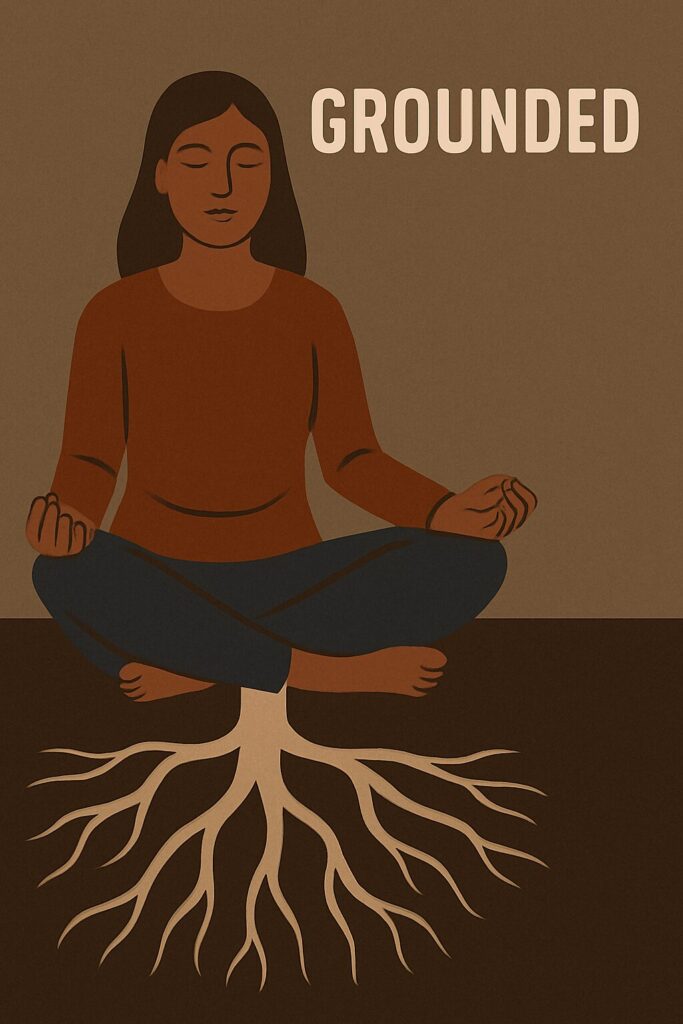
“If you want to fly, you have to give up the things that weigh you down.” — Toni Morrison
🌿 Enjoyed this post?
Let’s keep the conversation going.
Join our newsletter for gentle reminders, wellness tools, parenting tips, and soulful reflections—delivered with care, not clutter. 💌
✨ You’ll also get early access to guides, seasonal self-care ideas, and special updates from Samantha, LPC-Associate & founder of Post Oak Family Wellness.
Sign up here and stay connected.